By Claire Whitaker
Updated November 2026
An ipod shuffle 3rd generation headphone adapter lets you use standard 3.5mm headphones with a 3rd generation iPod shuffle, which uses a proprietary dock connector rather than a headphone jack. In this guide you will learn what the adapter actually does, how to pick a sound-safe model, how to connect and test it, and how to troubleshoot the most common problems so your Shuffle works with the headphones you already own.
Why the 3rd Generation iPod shuffle Needs an Adapter
The 3rd generation iPod shuffle, released in 2009, has no dedicated headphone socket. Its audio and controls run through a single port on the bottom of the unit, and the included earbuds plug into a short cable that connects to that port. Because the Shuffle uses its own connector, a plain 3.5mm plug will not fit or work, even though the headphones themselves are compatible.
Shopping for one? See our guide: 5 Best iPod to Headphone Jack Adapters for Older iPods (2026).
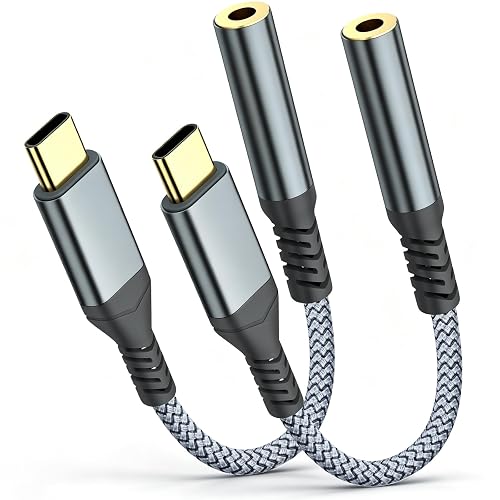
An adapter bridges that gap. Most people who search for an ipod shuffle 3rd generation headphone adapter want one of two things: the ability to use their own non-Apple headphones, or a way to connect the Shuffle to a larger speaker or stereo system. The adapter physically matches the Shuffle’s port to a standard stereo jack and passes the analog audio signal through.
Step 1: Understand What Type of Adapter You Need
Before buying anything, confirm what your Shuffle’s port and your goal require. The terms used in listings can be confusing, so check these points first:
- Connector type on the Shuffle: The 3rd generation uses Apple’s dock connector design, not a standard 3.5mm socket. Confirm the listing specifically says it fits the 3rd generation iPod shuffle or the Shuffle dock port.
- Output on the other side: Most adapters output a standard 3.5mm stereo plug, which fits nearly all consumer headphones and many speakers.
- Stereo vs. mono: Stereo adapters carry separate left and right channels. Some cheap listings do not make this clear, so look for explicit stereo wording.
- Passive vs. active: Passive adapters are simple wire-and-connector designs. Active adapters contain circuitry, which may be useful for amplification but adds complexity. Most users only need a passive stereo adapter.
Step 2: Check Compatibility Before You Buy
Compatibility is where most frustration starts. Work through this checklist:
- Locate the model number on the back of your Shuffle or in Settings under About. Confirm it is a 3rd generation unit, which is distinct from the 1st, 2nd, 4th and later models.
- Read the listing’s compatibility section carefully. A listing that only says “iPod shuffle” without a generation may not fit the 3rd gen dock port.
- Check whether the adapter is meant for audio output only or also supports charging. Charging needs a separate power path, and many audio-only adapters will not charge the device.
- Confirm the output plug size. Most headphones use 3.5mm, but some older or professional gear uses 1/4 inch. You will need a separate converter for those.
Manufacturers commonly state supported devices in the product title or bullet points. If a listing does not name the 3rd generation shuffle, contact the seller before purchasing rather than guessing.
Recommended tools and supplies to check first
You do not need specialized tools for connection, but a few basics make testing easier. A small flashlight helps you inspect the Shuffle’s port for lint, and a soft dry cloth or wooden toothpick (never metal) can clear debris. A pair of headphones with a known-good 3.5mm plug gives you a reliable baseline for testing the adapter.
Step 3: Connect the Adapter and Test the Audio
Follow these steps in order to avoid mistakes:
- Turn the Shuffle off and make sure the volume is set low on whatever device you plan to connect it to.
- Seat the Shuffle’s connector fully into the adapter. Do not force it. If you feel resistance, check orientation and alignment.
- Connect the 3.5mm plug to your headphones or speaker input.
- Turn the Shuffle on, select a short track, and increase volume gradually.
- Test both left and right channels. Play a stereo track and confirm sound comes from both sides. If only one side plays, see the troubleshooting section below.
- Test the Shuffle’s control buttons. Note whether they still respond, since some adapters disable them.
Step 4: Understand Volume and Signal Levels
The 3rd generation Shuffle has a modest headphone output, and low-quality adapters can reduce it further. When you connect to a speaker or amplifier input, start with the external device’s volume at its lowest setting. Many stereo inputs are designed for line-level signals, which are stronger than headphone output, so raising the volume too quickly can cause distortion or speaker damage. Work up in small increments.
| Connected to | Starting volume | What to listen for |
|---|---|---|
| Standard headphones | Shuffle at about 30–40% of maximum | Clear audio without crackling |
| Powered speakers | External volume at 10–20% of maximum | Smooth increase with no hiss or clipping |
| Stereo receiver (line input) | Receiver volume at minimum | Balanced left and right output |
These starting points are general guidelines, not manufacturer specifications. Always adjust based on what you hear.
Step 5: Troubleshoot Common Problems
Most issues come from a small number of causes. Check these in order:
- No sound at all: Confirm the adapter is fully seated in the Shuffle. Check that the Shuffle is powered on and not paused. Try a different headphone set to rule out the headphones.
- Sound from one side only: This usually means a loose or damaged connection inside the plug or adapter body. Gently flex the cable near the plug while playing audio. If the channel cuts in and out, the adapter or cable is likely faulty.
- Crackling or static: Dust or lint in the Shuffle’s port is the most common cause. Power it off and clean the port carefully with a dry wooden toothpick. Also check that the plug is clean.
- Low volume: Confirm the Shuffle volume is not limited in settings and that the external device’s gain is set correctly. Some stereo inputs are line-level and will sound quiet with headphones-only designs.
- Buttons stop responding: Some adapters do not pass control signals. This is a design limitation rather than a fault, so use the Shuffle’s own controls before connecting.
If problems persist after these checks, the adapter may be defective or simply not compatible with your model. Consider returning it and trying a different listing.
Common Mistakes to Avoid
- Buying an adapter that only lists “iPod shuffle” without a generation, then discovering it fits a different dock style.
- Forcing the connector into the Shuffle, which can bend the contacts.
- Connecting to a line-level input at high volume without checking the external device first.
- Assuming an adapter also charges the Shuffle. Audio-only designs typically do not.
- Using metal tools to clean the port, which can short contacts or scratch them.
- Ignoring a fraying cable. Damaged insulation near the plug is a common cause of intermittent sound.
Tips for Better Results
- Keep the adapter and cable short if possible. Longer runs can pick up more noise.
- Store the Shuffle and adapter together in a small pouch to avoid lint and pocket debris getting into the port.
- Label the adapter if you own several, so you do not mix up models with different output designs.
- If you use the Shuffle with a car stereo or home system, test the connection before a long listening session to confirm stable volume and channel balance.
Recommended gear
A few items make setup and maintenance easier. Pick them based on your use case rather than buying everything at once.
- Dock-to-3.5mm stereo adapter: The core piece for connecting a 3rd generation Shuffle to standard headphones or speakers. Choose one explicitly listed for the Shuffle dock port. View on Amazon
- Short 3.5mm extension cable: Useful when the Shuffle sits in a pocket or bag and the headphone jack is across the room, reducing strain on the connector. View on Amazon
- Anti-static cleaning brush or wooden toothpicks: Lets you clear lint from the Shuffle port without scratching contacts. View on Amazon
- Small protective pouch: Keeps the Shuffle and adapter together and prevents debris from entering the port. View on Amazon
FAQ
Will an ipod shuffle 3rd generation headphone adapter work with any headphones?
Most adapters output a standard 3.5mm stereo plug, so they work with the majority of consumer headphones. Check the plug size on your headphones first. If they use 1/4 inch, you will need a separate converter.
Can I charge the Shuffle while using an adapter?
Many audio-only adapters do not pass charging power. Check the listing for charging support. If it is not mentioned, assume the Shuffle must be charged separately through its normal USB cable.
Why does only one earbud play?
This usually points to a loose connection or damaged wire in the adapter or plug. Flex the cable gently during playback to locate the fault, then replace the adapter if the problem persists.
Are the Shuffle’s controls still usable with an adapter?
Some adapters pass control signals and some do not. If the buttons stop working, use the Shuffle’s own controls before connecting, or choose a model that states it supports remote control.
Can I connect the Shuffle to a home stereo?
Yes, using the adapter’s 3.5mm output and an appropriate cable to a line-level input. Start with the receiver volume at its lowest setting, since line-level signals can be stronger than headphone output.
Why is the volume so low?
The Shuffle has a limited headphone output, and some adapters reduce it further. Confirm the Shuffle volume is raised and the external device gain is set correctly. Sensitive headphones will also sound quieter than high-impedance models.
Can dust in the port cause problems?
Yes. Lint and debris are among the most common causes of crackling, dropouts and poor contact. Clean the port carefully with a dry non-metal tool while the Shuffle is powered off.
What should I do if my adapter still doesn’t work?
Test it with a different set of headphones and another audio source if possible. If the adapter fails on both, it is likely defective. Check the seller’s return policy and verify the listing lists your exact Shuffle generation.
Conclusion
An ipod shuffle 3rd generation headphone adapter makes it possible to use ordinary 3.5mm headphones and speakers with a Shuffle that has no standard jack. Confirm your model and connector type before buying, connect carefully, and raise volume gradually when using external equipment. Most problems come down to a dirty port or a loose connection, both of which are easy to check. For more guidance on related adapters, browse the articles linked below.
Related reading
- iPhone Headphone Adapter Not Working on Calls: 7 Fixes That Work
- iPhone Headphone Adapter Black: Which Ones Work and Why
- iPhone 7 Adapter Headphone: How to Choose and Use One (Step-by-Step)
Ready to choose one?
About Claire Whitaker
Claire Whitaker is part of our editorial team and reviews and edits our headphone comfort & accessories + gaming headsets guides, checking product details against manufacturer specifications and owner feedback.