 By Claire Whitaker
Updated November 2026
Choosing a headphone jack to speaker adapter sounds simple until you notice how many connector sizes, cable types and terminal styles are involved. This list is built around the factors that matter most when you want a headphone jack to speaker adapter that actually works: connector compatibility, cable construction and whether the adapter suits the way you plan to use it. We also looked at specification clarity, brand reputation for wiring quality and the patterns owners often report about durability and signal stability. Nothing here reflects personal lab testing; the picks are based on listing details, manufacturer specifications and common owner feedback.
Our top picks at a glance
- 1
 TOP CHOICEBest overallVCE 3.5mm to 1/4 Adapter Stereo Headphone Adapter, 2-PackView on Amazon
- 2
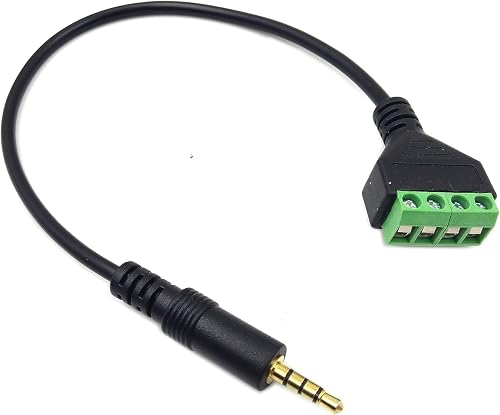 TOP CHOICEBest for speaker wire terminals5mm Speaker Wire Adapter, 4 Screw Terminal BlockView on Amazon
- 3
 TOP CHOICEBest for guitar and amp setups3-Pack 6.35mm Male to 3.5mm Female Stereo Headphone AdapterView on Amazon
- 4
 Best for RCA speaker inputsJSAUX RCA to 3.5mm Cable 6.6ftView on Amazon
- 5
 Best budget pickANDTOBO 3.5mm to 1/4 Adapter, Pure Copper Headphone JackView on Amazon
- 6
 Best for longer runsAmazon Basics 3.5mm Stereo Aux to 2 RCA Audio Cable, 4 FeetView on Amazon
- 7
 Best metal-shell buildUGREEN 3.5mm to RCA Cable, 6.6FT 2RCA Male to Aux Audio AdapterView on Amazon
Our Top Picks
Before comparing individual models, keep in mind that a headphone jack to speaker adapter has to match two ends: the source (usually a 3.5mm stereo jack from a phone, laptop or player) and the destination (speaker terminals, RCA inputs or a 1/4-inch input). A cable that fits one end perfectly can still be the wrong answer if the other end is different. The table below summarizes where each product fits.
| Product | Best for | Key feature |
|---|---|---|
| VCE 3.5mm to 1/4 Adapter, 2-Pack | General connector conversion | 24K gold-plated TRS connection |
| 3.5mm Speaker Wire Adapter | Connecting to speaker terminal blocks | 4-pole TRRS male jack with screw terminals |
| 3-Pack 6.35mm to 3.5mm Adapter | Guitar amps and digital pianos | Thickened gold-plated contacts, three pieces |
| JSAUX RCA to 3.5mm Cable | Phones and players into RCA inputs | Nylon-braided 6.6 ft cable with dual RCA plugs |
| ANDTOBO 3.5mm to 1/4 Adapter | Budget-minded connector swaps | Pure copper conductors |
| Amazon Basics 3.5mm to 2 RCA Cable | Amplifiers and powered speakers | Gold-plated plugs, 4 ft length |
| UGREEN 3.5mm to RCA Cable | Durable RCA connections | Metal shell housing, 6.6 ft cable |
VCE 3.5mm to 1/4 Adapter Stereo Headphone Adapter, 2-Pack
Seamless Audio Connection, Premium Sound Fidelity, Secure TRS Connection for Aux Cable, Guitar Amplifier, Headphone VCE 3.5mm to 1/4 Adapter Stereo Headphone Adapter, 24K Gold-Plated, 2-Pack
Best for: Overall connector conversion between 3.5mm and 1/4-inch stereo jacks
This is a good fit for musicians and home listeners who need a simple, dependable step between a phone or laptop jack and a larger 1/4-inch input on an amplifier or audio interface.
Key specs
- Stereo TRS connection
- 24K gold-plated contacts
- Sold as a 2-pack
Pros
- Gold plating is listed for better contact resistance
- Two adapters in one purchase
- Simple plug-and-play design
Cons
- Not a mono or balanced solution
- Connection quality still depends on the cable attached to it
Bottom line: A strong first choice for anyone who mainly needs a reliable 3.5mm to 1/4-inch conversion with spares on hand.
3.5mm Speaker Wire Adapter, 4 Screw Terminal Block
3.5mm Speaker Wire Adapter, 3.5mm (1/8") 4 Pole Stereo TRRS Male Jack to AV 4 Screw Terminal Block Balun Connectors Cable 30cm (1/8inch/ 4pin)
Best for: Connecting a 3.5mm source to bare speaker wire terminals
Best suited to DIY installers and anyone wiring a source directly to a speaker or amplifier terminal block instead of a standard jack.
Key specs
- 3.5mm (1/8″) 4-pole TRRS male jack
- Four screw terminal block connection
- Approximately 30 cm cable length
Pros
- Direct connection without a receiver
- Screw terminals secure bare wire
- Compact length suits short runs
Cons
- Short cable limits placement options
- Four-pole design requires matching wiring to avoid confusion
Bottom line: Ideal for a compact, hands-on wiring job where the speaker terminals are the endpoint.
3-Pack 6.35mm Male to 3.5mm Female Stereo Headphone Adapter
3-Pack 6.35mm Male to 3.5mm Female (1/4 in to 1/8 in) Stereo Headphone Adapter, Audios Jack Adapter, Thickened Gold Plated Hi-Fi for Auxiliary Cables, Amplifiers, Guitars, Digital Pianos.
Best for: Guitar amps, keyboards and studio gear with 1/4-inch inputs
Musicians who keep several adapters in a gig bag will appreciate the three-piece set, especially when moving between instruments and phones.
Key specs
- 6.35mm (1/4 in) male to 3.5mm (1/8 in) female
- Gold-plated stereo connection
- Three pieces per pack
Pros
- Multiple adapters for multiple devices
- Thickened plating for durability
- Works with guitar and keyboard inputs
Cons
- Adds connection length at the jack, which can strain cables
- Not designed for speaker terminal wiring
Bottom line: Best for musicians who need several 1/4-inch to 3.5mm adapters for amps and digital pianos.
JSAUX RCA to 3.5mm Cable 6.6ft
RCA to Aux, Auxiliary 1/8 to RCA Cord Headphone Jack Y Splitter Nylon Braided for Smartphones, MP3, Tablets, Speakers, HDTV JSAUX RCA to 3.5mm Cable 6.6ft, 2RCA Male to Aux Audio Adapter HiFi Sound
Best for: Connecting phones, MP3 players and tablets to RCA-equipped speakers or amplifiers
Ideal for home stereo setups where the speaker or receiver has red and white RCA inputs and the source has only a 3.5mm headphone output.
Key specs
- Approximately 6.6 ft (2 m) length
- 3.5mm stereo male to dual RCA male
- Nylon-braided jacket
Pros
- Long length for flexible placement
- Braided jacket resists tangling and everyday wear
- Covers common phone and tablet outputs
Cons
- Some owners report wider plug bodies that can block adjacent ports
- Cable thickness can be stiff in tight spaces
Bottom line: A practical choice for connecting portable devices to a home stereo through RCA inputs.
ANDTOBO 3.5mm to 1/4 Adapter, Pure Copper Headphone Jack
ANDTOBO 3.5mm to 1/4 Adapter, Pure Copper Headphone Jack for Stereo Audio
Best for: Budget-minded connector swaps for occasional use
A sensible option for listeners who need an occasional conversion and want to keep spending modest.
Key specs
- 3.5mm to 1/4-inch stereo
- Pure copper conductors
Pros
- Copper conductors are commonly associated with good conductivity
- Simple, single-purpose design
- Easy to keep in a bag or drawer
Cons
- Limited detail in the listing compared with premium options
- Build durability varies by owner experience
Bottom line: Good for casual users who want a straightforward conversion without extras.
Amazon Basics 3.5mm Stereo Aux to 2 RCA Audio Cable, 4 Feet
Amazon Basics 3.5mm Stereo Aux to 2 RCA Audio Cable Adapter for Sound, Connecting Amplifiers, Speakers, Smartphone, Tablet with Gold-Plated Plugs, 4 Feet/1.2 m, Black
Best for: Amplifiers and powered speakers that take two RCA inputs
Suited to anyone who wants a short, no-frills cable between a 3.5mm output and an amplifier’s RCA inputs.
Key specs
- Approximately 4 ft (1.2 m) length
- 3.5mm stereo to two RCA plugs
- Gold-plated plugs, black jacket
Pros
- Shorter length keeps cable clutter low
- Gold-plated plugs are listed for corrosion resistance
- Simple stereo wiring
Cons
- Four feet can be too short for some rack layouts
- Not intended for speaker terminal connections
Bottom line: A dependable choice for a desktop or shelf amp where cable length is limited.
UGREEN 3.5mm to RCA Cable, 6.6FT 2RCA Male to Aux Audio Adapter
RCA to Aux Connector for Phone Speaker MP3 Tablet HDTV, Auxiliary 1/8 to RCA Cord Headphone Jack Y Splitter with Metal Shell UGREEN 3.5mm to RCA Cable, 6.6FT 2RCA Male to Aux Audio Adapter, HiFi Sound
Best for: Durable RCA connections in regular home or studio use
A good match for listeners who move gear often and want connectors that feel sturdier than typical plastic housings.
Key specs
- Approximately 6.6 ft (2 m) length
- 3.5mm to dual RCA male
- Metal shell housing on the connector
Pros
- Metal shell adds mechanical strength at the plug
- Long cable for flexible placement
- Consistent stereo routing
Cons
- Heavier than plastic-bodied alternatives
- Owners sometimes mention that the cable jacket shows wear over time
Bottom line: Worth considering if you want a sturdier RCA cable for regular moves between rooms or setups.
Buying Guide
Connector Types at Each End
Start by identifying the source output and the destination input. A phone or laptop almost always uses a 3.5mm (1/8-inch) jack, while guitar amps and many studio interfaces use 1/4-inch (6.35mm) jacks. Speaker terminals are a different category entirely, since they take bare wire or spade connectors rather than plugs. Measure or read the labels on your gear before buying.
Good picks for this: VCE 3.5mm to 1/4 Adapter, 3-Pack 6.35mm to 3.5mm Adapter
Stereo Versus Mono Wiring
Most consumer headphone jacks are stereo (TRS), with separate left, right and ground contacts. Some speaker wire adapters use four-pole TRRS designs that add a microphone contact. Mixing these up can produce one-sided sound or no sound at all, so confirm the pole count on the listing before you buy.
Good picks for this: 3.5mm Speaker Wire Adapter, VCE 3.5mm to 1/4 Adapter
Cable Length and Placement
Short adapters work well when the source and destination sit side by side. For a stereo rack or a speaker across the room, a cable of around 6.6 feet (2 meters) gives you room to move. Longer cables add slack that can be coiled, but they also add capacitance and more places for interference to enter, so keep runs as short as the layout allows.
Good picks for this: JSAUX RCA to 3.5mm Cable, UGREEN 3.5mm to RCA Cable
Plating and Contact Materials
Gold plating is a common feature on connectors because it resists oxidation and keeps contact resistance steady over time. Copper conductors are also widely used for their conductivity. Plating thickness varies by manufacturer, so treat specific claims as the seller’s specification rather than an independent measurement.
Good picks for this: 3-Pack 6.35mm to 3.5mm Adapter, Amazon Basics 3.5mm to 2 RCA Cable
Build Quality and Strain Relief
The most common failure point in a cable is where it meets the plug. Look for strain relief, a robust housing and a jacket that flexes without kinking. Metal shells generally hold up better than thin plastic under repeated plugging, although they add weight. Owners often report that adapters left hanging from a jack fail first at the connector, so avoid dangling heavy cables from fragile ports.
Good picks for this: UGREEN 3.5mm to RCA Cable, JSAUX RCA to 3.5mm Cable
Intended Use Case
A headphone jack to speaker adapter used for casual phone playback has different needs than one used for a guitar rig or a home theater receiver. Casual use favors low cost and simplicity. Studio and performance use favors dependable contacts and spare pieces. Decide the primary use first, then match the cable to it.
Good picks for this: ANDTOBO 3.5mm to 1/4 Adapter, 3.5mm Speaker Wire Adapter
Care and Storage
Coil cables loosely rather than wrapping them tightly around a fist, which can stress the internal conductors. Keep connectors clean and dry, and avoid pulling on the cable body when unplugging. A small pouch or drawer organizer prevents plugs from being bent in a bag. Basic care extends the life of any adapter.
Good picks for this: Amazon Basics 3.5mm to 2 RCA Cable, VCE 3.5mm to 1/4 Adapter
FAQ
Can I connect a phone headphone jack directly to speaker terminals?
Yes, with the right adapter, but you should confirm the wiring. A 3.5mm speaker wire adapter with screw terminals makes the connection possible, yet the output is line-level and not designed to drive a bare speaker directly at high volume. Many people use an amplifier between the source and the speaker. Consult a qualified audio technician if you are unsure about impedance or power handling.
What is the difference between TRS and TRRS?
TRS (tip, ring, sleeve) has three contacts and carries stereo audio. TRRS adds a fourth contact, usually for a microphone or video ground. Adapters must match the pole count of the jack they serve, or you may lose a channel or the microphone function.
Do I need gold-plated connectors?
Gold plating helps resist corrosion and can keep contact resistance more stable over time, which matters most in humid environments or with frequently plugged connections. For occasional use, plain nickel plating works adequately. Treat gold as a durability feature rather than a guaranteed sound upgrade.
How long should an adapter cable be?
Choose the shortest length that reaches without tension. Around 4 feet suits a desktop, while 6.6 feet gives more room for a floor-standing speaker or a stereo rack. Excess length can be coiled, but tight loops can stress the conductors.
Will an adapter improve sound quality?
An adapter does not add fidelity. Its job is to pass the signal through with a reliable connection. Sound quality depends mostly on the source, the amplifier and the speakers. A poor adapter can add noise or intermittent dropouts, which is why solid construction matters.
What causes crackling or dropouts with a new adapter?
Common causes include a loose plug, a damaged jacket that shifts the conductors, or a dirty contact. Reseat the connector firmly, inspect the cable for kinks, and clean the contacts with isopropyl alcohol and a dry cloth. If the problem continues, try a different cable to isolate the fault.
Conclusion
For most people, the VCE 3.5mm to 1/4 Adapter is the most flexible starting point because it solves a common connector mismatch without extra complexity. If you need to wire directly to speaker terminals, the 3.5mm Speaker Wire Adapter is the right tool. Musicians with amps and keyboards will get the most value from the three-piece 6.35mm set. For RCA-equipped stereo systems, the JSAUX or UGREEN RCA cables cover longer runs, with the UGREEN offering a sturdier metal-shell build. The ANDTOBO and Amazon Basics options suit more occasional or budget-minded use. Match the connectors at both ends first, then choose length and build quality to fit how the setup will be used.
Sources
- Consumer safety guidance on cords, cables and electrical product use at home (cpsc.gov)
- Information on hearing health and safe listening volume levels (nidcd.nih.gov)
- Standards and technical publications on audio connections and signal interfaces
Related reading
- Speaker to Headphone Adapter: Step-by-Step Setup for Safe Listening
- Samsung S22 Headphone Jack Adapter Review: Features and Performance
- Lightning 3.5 Headphone Jack Adapter Review: Is It Worth It? (2026)
- Headphone Jack to Optical Adapter: How It Works and How to Connect One
- Headphone Jack to Aux Adapter: 5 Best Picks for Every Need (2026)
About Claire Whitaker
Claire Whitaker is part of our editorial team and reviews and edits our headphone comfort & accessories + gaming headsets guides, checking product details against manufacturer specifications and owner feedback.


