 By Claire Whitaker
Updated November 2026
The Fosi Audio DS3 is a small USB-C dongle that combines a DAC and a headphone amplifier in one body about the size of a thumb drive. It is built around an ES9039Q2M DAC chip and an XMOS controller, and the listing highlights DSD512 support, 7.1 spatial audio processing, and both a 3.5mm single-ended and a 4.4mm balanced output. It is aimed at people who want cleaner, more controlled sound from a phone, laptop, tablet, or game console without carrying a bulky desktop stack. It suits anyone with mid-range or demanding headphones that sound thin or noisy when plugged straight into a device. It is a poor fit for people who need a high-output amp for very low-sensitivity planar headphones, or who want a desktop unit with volume knobs and multiple input types.

Fosi Audio DS3 USB-C DAC HiFi Amp Dongle, Portable Headphone Amplifier with 7.1 Spatial Audio, ES9039Q2M XMOS Powered, DSD512, 3.5mm Single 4.4mm Balanced for PC/Phone/ PS5/ Switch Black
Product Overview
The Fosi Audio DS3 sits in the growing category of USB-C portable DAC and amp dongles. Its job is simple: take a digital signal from your device, convert it to analog with a high-quality DAC, and then drive your headphones with an amplifier stage. Because it draws power from the host device, there is no separate battery or power brick to manage. You plug it into a USB-C port, connect your headphones, and adjust volume from your device.
The product name and listing point to a few clear design priorities. First, the ES9039Q2M chip is a flagship-class DAC from ESS Technology, and pairing it with an XMOS USB receiver is a common approach for handling high-resolution digital streams cleanly. Second, the 4.4mm balanced output is a meaningful addition, since many premium headphones use balanced cables and benefit from a separate, fully differential output path. Third, the 7.1 spatial audio mode is positioned for gaming and movies, giving the device a dual purpose beyond pure music listening.
Owners who use the DS3 with phones often describe the main benefit as a quieter background and more stable volume response compared with a headphone jack or a basic dongle. Owners who use it with PCs and consoles tend to focus on the spatial mode and the sense of separation between sound sources during games. As with any dongle-style product, results depend heavily on the source device, the cable used, and the headphones themselves.
Key Features & Specifications
The table below lists the specifications named in the product listing and the points that are well established for this type of device. Where the listing does not state an exact figure, it is left out rather than guessed.
| Feature | Details |
|---|---|
| DAC chip | ESS ES9039Q2M |
| USB controller | XMOS-based USB receiver |
| Digital format support | Up to DSD512 as stated in the listing |
| Connection | USB-C |
| Outputs | 3.5mm single-ended and 4.4mm balanced |
| Spatial audio | 7.1 virtual surround mode |
| Compatibility | PC, phone, PS5, Nintendo Switch (per listing) |
| Form factor | Compact dongle, black finish |
| Power source | Drawn from the host device over USB |
A note on compatibility: USB-C phones and tablets must support USB audio output and, in many cases, may need an adapter if the device only has a Lightning port. Console use depends on the console accepting external USB audio, which is a platform-specific detail worth checking before purchase.
Pros & Cons
Pros
- Uses a flagship-class ES9039Q2M DAC chip, which is a recognized high-performance part.
- Offers a 4.4mm balanced output, useful for headphones with balanced cables.
- Compact and bus-powered, so it needs no battery or wall adapter.
- Includes a 7.1 spatial mode aimed at gaming and movies.
- Covers a range of platforms, including PC, phones, and some game consoles.
Cons
- Bus power limits output headroom compared with a desktop amp with its own power supply.
- Spatial processing is a matter of taste and can color the sound for purist listeners.
- No physical volume control; level is managed from the source device.
- Results vary by device, since weak USB power or poor cables can limit performance.
- Not designed for very hard-to-drive planar magnetic headphones.
Performance Analysis
Performance for a dongle like the DS3 comes down to three things: the DAC’s conversion quality, the amplifier’s ability to drive your headphones, and how well the USB input behaves with your source. The ES9039Q2M is widely regarded as a capable DAC chip, and its presence sets a high baseline for detail and noise performance. Paired with an XMOS receiver, the device is designed to handle high sample rates and multiple digital formats without dropping out.
The amplifier side is where expectations need to be realistic. A bus-powered dongle has a limited voltage and current budget, so it is best matched with efficient to moderately demanding headphones. Many planar and high-impedance models will sound quieter or less controlled than they would on a desktop amp. Owners generally report that dynamic-driver headphones in the low to mid impedance range are the most comfortable matches, with good volume headroom at typical listening levels.
The 4.4mm balanced output is a real advantage for compatible headphones. Balanced connections keep the left and right signals separate through the cable, which can reduce crosstalk and offer more power when the amp is designed for it. Owners of balanced-cable headphones often mention clearer stereo imaging on this output compared with the single-ended jack, though the difference depends on the headphones and cable.
Spatial audio deserves a separate note. The 7.1 mode is a digital processing effect rather than a hardware feature, and it changes the sound signature. For games where directional cues matter, many users find it helpful. For critical music listening, it is usually switched off. It is a feature to test with your own content rather than rely on from a description alone.
Who Should Buy This Product?
The DS3 makes sense for people who already own decent headphones and want an easy upgrade over a phone jack or laptop output. It is a good fit for commuters who want a compact setup, for gamers on PC or PS5 who want spatial processing and clean audio, and for listeners with balanced-cable headphones who want a native balanced output without a desktop amp.
It is a weaker choice for people who need a lot of power, who listen mostly through speakers, or who want precise hardware volume control. Anyone with very low-sensitivity headphones should look at a larger, externally powered amp instead. Buyers who only want a basic adapter for wired earbuds may find the feature set more than they need.
Buying Guide
Before buying any portable DAC amp, check five things: your headphone impedance and sensitivity, the outputs you need, your source device’s USB-C behavior, whether you need spatial processing, and how you plan to control volume. Impedance and sensitivity are the most important. Lower-impedance headphones are easier to drive, and higher sensitivity means you can reach a comfortable level without much amplifier power.
Next, confirm your device supports USB audio. Many Android phones and laptops do, but some phones need a USB-C to USB-C cable with the right data lines or an adapter. Keep the cable short and reliable, since poor cables can cause dropouts or noise.
If you prefer a different balance of features, consider these well-known alternatives:
- Fosi Audio DS2, a smaller USB-C dongle with dual outputs and a CS43131 DAC, suited to phone-first users who want a lighter setup.

Fosi Audio DS2 USB C to AUX Headphone Amp DAC Dongle 3.5mm Jack Audio Portable Amplifier Dual Output DSD256 4.4mm Balanced High Resolution CS43131 for iPhone 15 Pro Max Plus iPad Android Phone
- Fosi Audio ZH1, a desktop-oriented DAC amp with higher power output, RGB lighting, and one-tap output switching for PC use. It needs a wall or USB power source and suits a fixed desk setup better than travel.
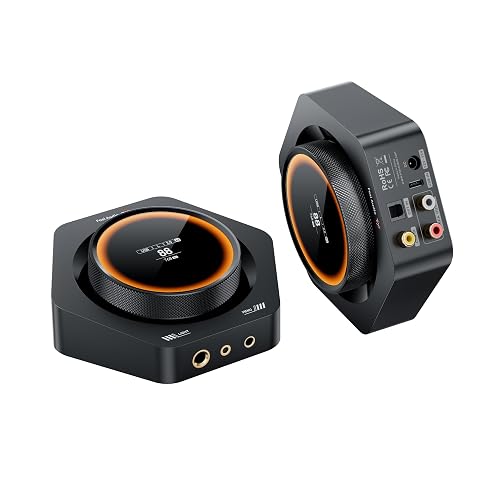
2300mW Power dac/amp, Full-Balanced Audio, Smart PEQ, and One-Tap Headphone/Speaker Switching for Gaming, Movies, and Music Fosi Audio ZH1 DAC Headphone Amp for PC, Desktop DAC Amp with RGB Lighting
For a broader look at how these categories compare, you may find Portable USB DAC Amp Guide: How to Choose the Right One (7 Steps) helpful, along with Headphone DAC vs Amp (2026): Which Is Better for Your Setup? if you are still deciding between a dongle and a separate amp.
FAQ
Does the Fosi Audio DS3 need a battery or external power?
No. It is powered over USB from the connected device, so there is no separate battery or charger to manage. The trade-off is that output power is limited by what the source can supply.
Can I use it with an iPhone?
It depends on your iPhone model and port. USB-C iPhones can typically work with a USB-C connection, while older Lightning models will need a compatible adapter. Check Apple’s current guidance on USB audio before buying.
Will it drive planar magnetic headphones?
Some planar models can work, especially efficient ones, but many will sound underpowered. A dedicated desktop or externally powered amp is usually a better match for demanding planars.
What is the difference between the 3.5mm and 4.4mm outputs?
The 3.5mm output is single-ended and works with most headphones. The 4.4mm output is balanced, which keeps left and right channels separate through the cable. Use the balanced output only with headphones that have a balanced cable or a compatible adapter.
Should I keep the 7.1 spatial mode on for music?
Most listeners turn it off for music because it changes the tonal balance and soundstage. It tends to be more useful for games and movies where directional cues matter.
Does it support high-resolution audio?
The listing states support for high sample rates and DSD formats up to DSD512. Whether a given file plays at full resolution depends on your player app and device settings.
Is it good for gaming on PS5 or Switch?
The listing names PS5 and Switch compatibility. Owners often use it for its spatial mode and clean audio, but you should confirm your console accepts external USB audio and check the setup steps for your specific platform.
Final Verdict
The Fosi Audio DS3 is a capable, compact USB-C DAC and headphone amp built around a respected DAC chip, with a useful balanced output and a spatial mode for gaming. It is best for listeners with efficient to moderately demanding headphones who want a simple, portable upgrade over a phone or laptop jack. Buyers who need strong power for hard-to-drive headphones, or who want physical volume control, should consider a desktop amp instead. Confirm your device’s USB audio support and your headphone impedance before buying, and consult your device manufacturer if you are unsure about compatibility.
Related reading
- Fosi Audio Zh3 Dac Headphone Amp Review: Features and Performance
- Fosi Audio K7 DAC Headphone Amp Review: Is It Worth It?
- FiiO DAC Amp Portable: How to Pick and Use One for Better Headphone Sound
About Claire Whitaker
Claire Whitaker is part of our editorial team and reviews and edits our headphone comfort & accessories + gaming headsets guides, checking product details against manufacturer specifications and owner feedback.